ENGLISH
 English
 简体中文
简体中文 Русский
 日本語
日本語 España
 Portugal
Industrial frequency Converter
Core Definition
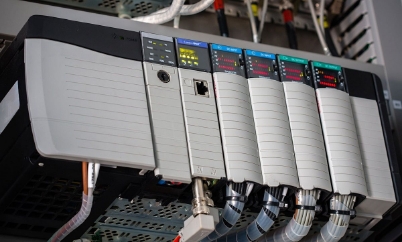
An industrial electronic device that converts fixed-frequency (e.g., 50Hz/60Hz) alternating current (AC) into adjustable-frequency AC, mainly used to regulate the speed of AC motors.
Key Functions
Speed Regulation: Precisely adjust motor speed (via frequency control) to match production needs (e.g., conveyor belts, pumps).
Energy Saving: Reduce energy consumption by avoiding "full-speed operation" of motors (e.g., fans, water pumps save 20%-50% energy).
Protection: Built-in overcurrent, overvoltage, overload, and overheating protection for motors and equipment.
Soft Start/Stop: Prevent mechanical impact from sudden start/stop, extending equipment lifespan.
Basic Working Principle
Rectification: Convert input AC to direct current (DC) via a rectifier.
Filtering: Smooth the DC power (reduce ripple) using a filter circuit.
Inversion: Convert filtered DC back to adjustable-frequency AC via an inverter (core component: IGBT modules).
Control: Adjust output frequency/voltage in real time via a control unit (e.g., PLC, manual settings) to meet load demands.
Typical Application Fields
Manufacturing: Conveyors, machine tools, textile machinery, printing presses.
HVAC: Fans, air conditioners, cooling towers.
Water Treatment: Water pumps, sewage treatment equipment.
Mining/Metallurgy: Crushers, conveyors, hoists.
Role of Power Semiconductors
Modern frequency converters rely heavily on IGBT modules, rectifier diodes, MOSFETs, DC/DC converters, and control ICs. These components enable high-efficiency power conversion, reliable motor control, and reduced energy losses, ensuring stable performance even under heavy industrial loads.
Why Baoquan Zhijie
Baoquan Zhijie offers a full range of power semiconductor solutions for industrial frequency converters, including IGBT modules, MOSFETs, rectifier bridges, and control ICs. Our technologies help manufacturers design efficient, durable, and safe variable frequency drives (VFDs) that meet the evolving needs of modern industry.