ENGLISH
 English
 简体中文
简体中文 Русский
 日本語
日本語 España
 Portugal
Energy Storage Systems
Introduction to ESS
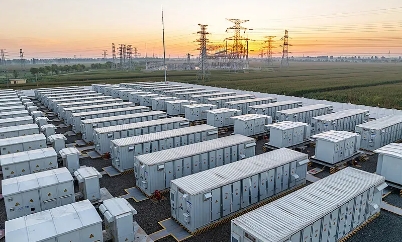
Energy Storage Systems (ESS) play a critical role across all stages of power transmission — from generation and transmission to distribution and end-user consumption.
They enhance power quality, renewable energy utilization, and grid flexibility, while also reducing costs and providing reliable backup power.
Core Benefits
Flexible Grid Upgrade: Transforms a rigid grid into a flexible, agile, and efficient system.
Renewable Integration: Reduces wind and solar power curtailment by storing excess energy for later use.
Infrastructure Optimization: Delays or reduces grid investment needs via peak shaving and capacity expansion.
Cost Savings: Enables users to take advantage of peak/off-peak electricity price differences.
Emergency Backup: Provides stable power supply for critical loads during outages or off-grid conditions.
Application Scenarios
Energy storage systems are deployed in diverse areas such as renewable energy plants, smart grids, microgrids, commercial and industrial facilities, and residential backup systems. Each scenario has unique requirements for storage capacity and charge/discharge duration, driving the adoption of multiple coexisting technologies.
Why Baoquan Zhijie
Baoquan Zhijie delivers SiC MOSFETs, IGBTs, diode modules, and high-efficiency power modules for ESS applications.
These devices enable high conversion efficiency, reliable thermal management, and long-term operational stability, meeting the demanding requirements of large-scale and distributed energy storage systems.