ENGLISH
 English
 简体中文
简体中文 Русский
 日本語
日本語 España
 Portugal
Electric vehicle controller
Introduction
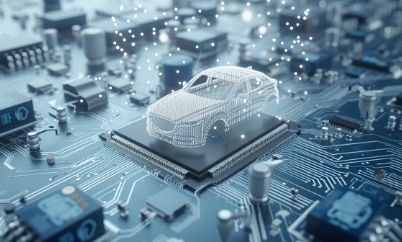
An Electric Vehicle (EV) Controller is thecentral brainof an EV's powertrain system. It manages the flow of electricity between the battery pack, motor, and auxiliary systems, ensuring smooth and safe vehicle operation.
Core Role
Serves as the "brain" of an EV's power system, regulating the flow of electricity between the battery, motor, and other components to control vehicle movement.
Key Functions
Converts battery's DC power to AC power (for AC motors) or adjusts DC power (for DC motors) to match driving needs.
Responds to driver inputs (accelerator/brake pedals) to adjust motor speed, torque, and power output.
Monitors real-time data (battery SOC, motor temperature, voltage) to ensure safe, efficient operation; triggers protections for overheating/overvoltage.
Critical Performance Impact: Directly influences EV's acceleration, energy efficiency, range, and driving smoothness.
Common Types: Classified by motor type (AC motor controller, DC motor controller) and integration level (standalone, integrated with other vehicle control units).
Why Baoquan Zhijie
With expertise in MOSFETs, IGBTs, and power module integration, Baoquan Zhijie developsadvanced EV controller solutionsthat combinehigh efficiency, robust protection, and intelligent control. Our technologies empower manufacturers to achievesafe, energy-efficient, and high-performance electric vehicles.